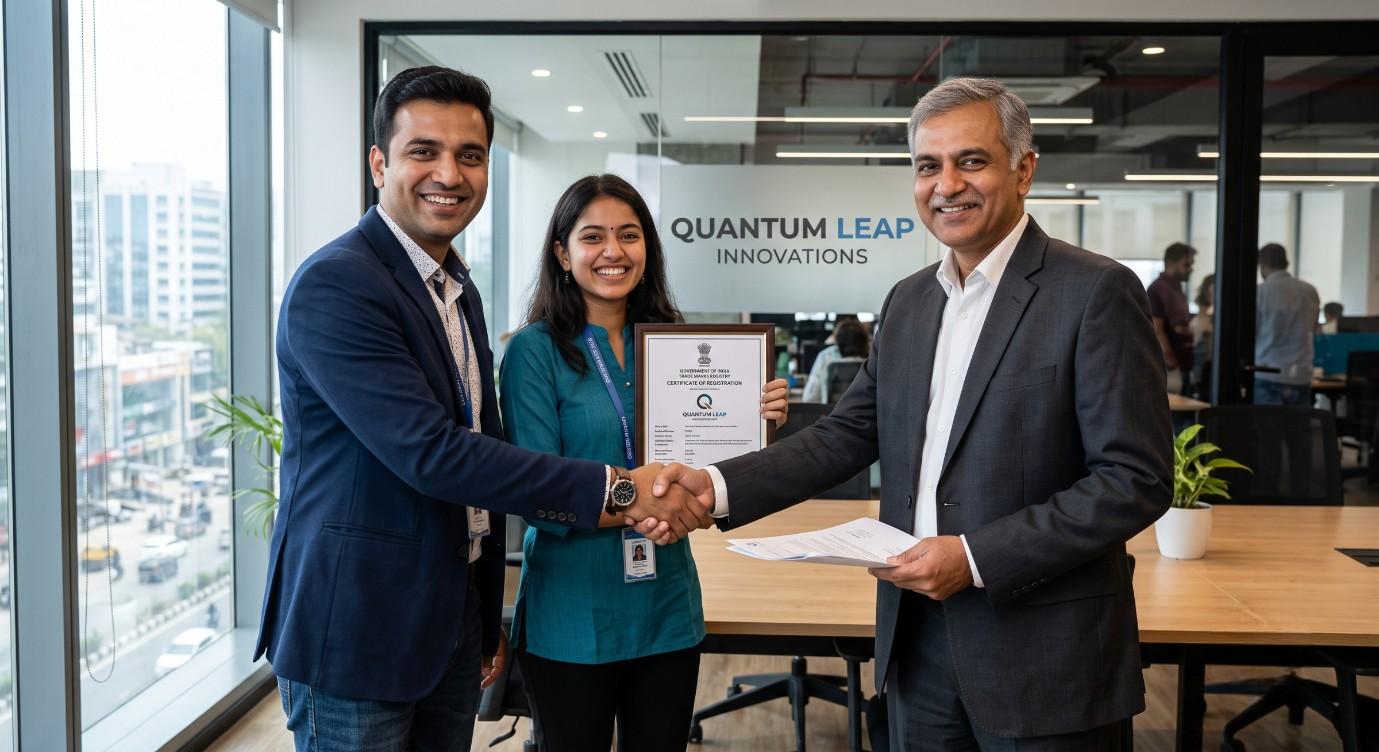
Building a recognizable brand takes time, effort, and investment. Whether you're launching a startup, expanding a family business, or introducing a new product, your brand name is one of your most valuable assets. Protecting it should be a priority.
One of the first questions business owners ask is: What is the trademark registration cost in India?
The answer is not limited to the government filing fee. The total cost can vary depending on who is applying, the number of trademark classes, whether legal assistance is required, and if objections or oppositions arise during the registration process.
This guide explains the complete cost structure, the registration process, common mistakes to avoid, and practical tips to help you secure your trademark efficiently.
Trademark fees and registration steps are regulated by the Trademark Registry. It is always recommended to check the official guidelines or consult with a legal professional to ensure accurate classification and smooth filing.
Why Trademark Registration Matters
A trademark distinguishes your products or services from competitors. It may include:
- Business names
- Brand names
- Logos
- Taglines
- Product names
- Packaging elements
Registering your trademark gives you exclusive legal rights to use the mark for the specified goods or services. It also strengthens your ability to take action against infringement and enhances the value of your business.
Without registration, enforcing your rights can become significantly more challenging.

What Is the Trademark Registration Cost in India?
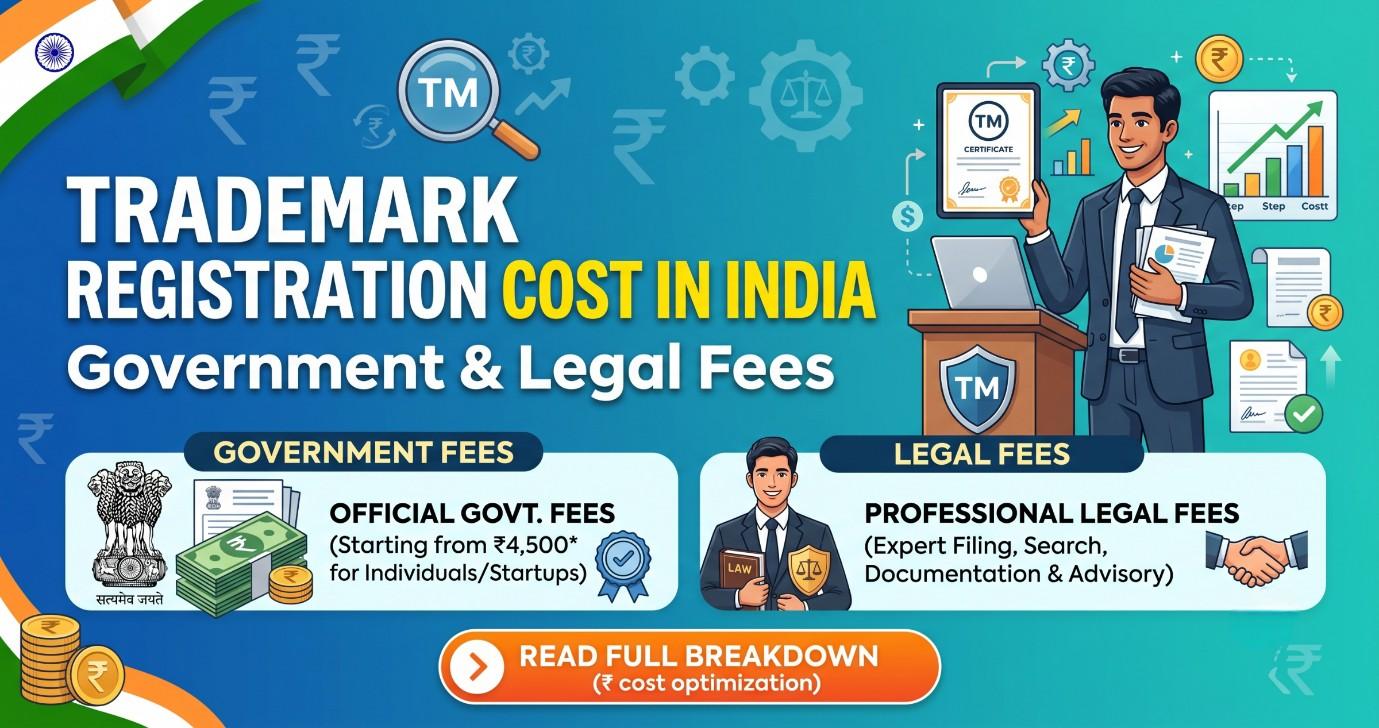
The total cost of trademark registration generally consists of two components:
Government Fee
Paid to the IP India Trademark Registry at the time of filing.
Professional Fee
Charged by a trademark lawyer or law firm for drafting, searches, classification, and procedural representation.
The exact government fee depends on the type of applicant. Let's look at the standard scheduled fees below.
Government Filing Fees
| Applicant | Government Fee (Per Class) |
|---|---|
| Individual | ₹4,500 (e-filing) |
| Startup | ₹4,500 (e-filing) |
| MSME | ₹4,500 (e-filing) |
| Company | ₹9,000 (e-filing) |
| LLP | ₹9,000 (e-filing) |
| Partnership Firm | ₹9,000 (e-filing) |
Note: Government fees are subject to change based on official notifications issued by the Trademark Registry.
Professional Legal Fees
Many applicants choose to engage a trademark lawyer to reduce the risk of errors and delays. Professional services commonly include:
- Trademark availability search
- Advice on registrability
- Selecting the correct trademark class
- Preparing the application
- Filing before the Trademark Registry
- Monitoring application status
- Responding to procedural queries
- Advising on objections or oppositions
Legal fees vary depending on the complexity of the application and the scope of services provided.
While filing independently may appear cost-effective, mistakes such as choosing the wrong class or overlooking conflicting trademarks can lead to additional expenses later. For tailored brand advice, you can contact our trademark lawyers for professional assistance.
Factors That Affect Trademark Registration Cost
Several factors influence the overall expense of registering a trademark.
1. Type of Applicant
Individuals, recognized startups, and MSMEs generally pay lower government filing fees than companies, LLPs, and partnership firms. To claim the startup fee concession, you must have a valid DPIIT Startup Recognition.
2. Number of Trademark Classes
Trademark protection is granted based on classes of goods and services. If your business operates in multiple categories—for example, clothing and retail services—you may need to file under more than one class. Each additional class attracts a separate government fee.
3. Trademark Search
Conducting a comprehensive trademark search before filing helps identify existing marks that may conflict with yours. Although not mandatory, it is a valuable step that can reduce the likelihood of objections or refusals.
4. Legal Representation
Professional legal assistance can improve the quality of your application by ensuring that the correct class is selected, supporting documents are complete, the trademark description is accurate, and filing requirements are met. This can help avoid delays and procedural issues. For more details, consult the Bar Council of India guidelines regarding legal representations.
5. Objections and Oppositions
If the Trademark Registry raises an objection or if a third party opposes your application, additional legal work may be required. This can increase the overall cost depending on the complexity of the matter.
Is Hiring a Trademark Lawyer Worth It?
Although the law permits applicants to file trademark applications on their own, professional guidance can be beneficial in many situations.
Consider seeking legal assistance if:
- Your brand is central to your business.
- You plan to expand nationally or internationally.
- Your trademark includes unique branding elements.
- Similar trademarks already exist.
- You want to minimize the risk of objections.
An experienced trademark lawyer can identify potential issues early and help navigate the registration process more effectively. If you are starting out, our startup legal services can help establish a strong brand protection foundation.

The Trademark Registration Process in India
Understanding the process can help you anticipate both timelines and costs.
Step 1: Conduct a Trademark Search
Search the Trademark Registry database to check whether a similar mark already exists. This helps reduce the risk of conflict before filing.

Step 2: Select the Appropriate Class
Choosing the correct trademark class is essential. Filing under the wrong class may limit the protection your registration provides.
Step 3: Prepare the Application
The application should include: Applicant details, representation of the trademark, description of goods or services, and supporting documents where applicable.
Step 4: File the Application
Once submitted and accepted for processing, you receive an application number that allows you to track the status of your trademark application.
Step 5: Examination by the Trademark Registry
After your application is filed, the Trademark Registry examines it to determine whether it complies with the provisions of the Trade Marks Act, 1999 and the Trade Marks Rules, 2017. The examiner reviews:
- Whether your trademark is distinctive.
- Whether it conflicts with an existing registered or pending trademark.
- Whether it contains prohibited or descriptive elements.
- Whether the application has been filed under the correct class.
If the examiner is satisfied, the application proceeds to publication. If not, an Examination Report is issued raising objections.
Trademark Objections: Do They Increase the Cost?
One of the biggest misconceptions is that receiving a trademark objection means the application has been rejected. It does not.
A trademark objection simply means that the Registry requires clarification or additional legal arguments before allowing the application to proceed.
Common reasons include:
- Similarity with an existing trademark
- Descriptive brand names
- Generic words
- Lack of distinctiveness
- Incorrect classification
- Defective documentation
Responding to an objection usually involves preparing a detailed legal reply supported by case law and evidence of use where applicable. While there is generally no separate government fee for filing an objection response, professional legal fees may apply depending on the complexity of the matter. Therefore, filing a strong application from the outset can often reduce future costs.
Publication and Trademark Certificate
Publication in the Trademark Journal
If the Registrar accepts the application, the trademark is published in the Trademark Journal. Publication serves an important purpose—it gives third parties an opportunity to oppose the registration if they believe your trademark infringes their existing rights.
The opposition period generally lasts four months from the date of publication. If no opposition is filed during this period, the application moves toward registration.
Trademark Registration Certificate
Once all statutory requirements are fulfilled and there are no successful objections or oppositions, the Trademark Registry issues a Registration Certificate.
At this stage, you gain the exclusive legal right to use the ® (Registered Trademark) symbol in connection with the registered goods or services.
Registration offers several advantages:
- Exclusive rights over the mark.
- Stronger legal remedies against infringement.
- Increased business credibility.
- Enhanced brand valuation.
- Easier licensing and franchising opportunities.
- Valuable intellectual property that can be assigned or transferred.
How Long Does Trademark Registration Take in India?
Although an application number is generated soon after filing, obtaining the final registration certificate takes time. The timeline depends on factors such as examination objections, oppositions, and Registry processing.
| Stage | Approximate Timeline |
|---|---|
| Trademark Search | 1–2 Days |
| Filing of Application | Same Day |
| Examination | Several Months |
| Publication in Journal | After Acceptance |
| Opposition Period | 4 Months |
| Registration Certificate | Typically 12–24 Months |
Even while the application is pending, applicants may generally use the ™ symbol after filing, whereas the ® symbol should only be used after registration.
Common Mistakes That Can Increase Trademark Registration Costs
Many avoidable errors lead to delays, objections, or repeat filings.
1. Choosing a Generic Brand Name
Names that merely describe the product or service are more likely to face objections.
Example:"Fresh Milk" for dairy products may be difficult to register because it directly describes the goods. Distinctive or invented names usually have stronger chances of registration.
2. Filing Under the Wrong Trademark Class
Trademark protection is class-specific. Selecting the wrong class may leave your actual products or services unprotected, requiring a fresh application and additional fees.
3. Skipping the Trademark Search
A comprehensive search helps identify similar existing trademarks before filing. Failing to conduct a search increases the likelihood of objections or opposition proceedings.
4. Copying an Existing Brand
Some businesses assume that making minor spelling changes is sufficient. Examples such as Amazonn, Nikke, or Adibas may still be considered deceptively similar to well-known trademarks. This can result in refusal and potential legal disputes.
5. Filing Without Professional Advice
Businesses often focus solely on minimizing the initial filing cost. However, mistakes in drafting, classification, or documentation may lead to delayed registration, additional legal expenses, refiling costs, and loss of valuable brand rights. For many businesses, obtaining professional guidance at the filing stage can be more cost-effective in the long run.
Trademark Registration Cost for Startups and MSMEs
Recognized startups and eligible MSMEs enjoy reduced government filing fees compared to larger entities. As per the current fee schedule, eligible Individuals, Startups, and Small Enterprises pay ₹4,500 per class for e-filing, while other applicants pay ₹9,000 per class for e-filing.
To claim the concessional fee, applicants must meet the applicable eligibility requirements and provide the necessary supporting documents. Learn more about our Intellectual Property Law Services for comprehensive brand protection.
For startups, early trademark registration offers additional commercial advantages:
- Builds investor confidence.
- Protects brand value from the beginning.
- Prevents competitors from registering similar marks.
- Strengthens long-term intellectual property assets.
Real-Life Example
Imagine two entrepreneurs launching similar clothing brands.
Business A files a trademark application after conducting a professional search and selecting the correct class.
Business B files independently without verifying whether similar trademarks already exist.
A few months later:
- Business A progresses smoothly toward registration.
- Business B receives an examination objection due to similarity with an earlier trademark and incurs additional legal costs to respond.
The initial savings from self-filing may ultimately be outweighed by the cost and time involved in addressing avoidable issues.
Key Takeaways
Trademark registration is an investment in the future of your business rather than a mere regulatory formality.
While the government filing fee is an important consideration, businesses should also account for class selection, legal assistance, potential objections, and future renewals. Filing a well-prepared application can save considerable time, expense, and uncertainty later.
Whether you are an entrepreneur, startup founder, established company, or individual launching a new brand, understanding the complete trademark registration cost in India helps you make informed decisions and protect one of your most valuable business assets.
A registered trademark not only safeguards your brand identity but also strengthens customer trust, enhances commercial value, and provides a solid legal foundation for future growth.